01Feb

Annual Reports Translation & Localization Guide | AW PTS

In today’s globalized business environment, annual reports are no longer limited to a single market or language. Companies with international investors, stakeholders, regulators, and partners must ensure that their annual reports are accurately translated and culturally localized. This is where a professional Annual Reports Translation & Localization Guide becomes essential.

Annual reports are among the most sensitive and high-impact corporate documents. They combine financial data, strategic narratives, legal disclosures, and brand messaging. A single mistranslation can damage credibility, mislead stakeholders, or even create regulatory risk. This guide explains what annual report translation and localization involve, the types of annual reports, why localization is critical, and how AW PTS delivers reliable, compliant, and high-quality solutions.

What Is Annual Reports Translation and Localization?

What Is Annual Reports Translation and Localization?Annual reports translation is the process of converting an organization’s annual report from one language into another while preserving accuracy, clarity, and intent. However, localization goes beyond linguistic translation.

Annual reports localization adapts the content to meet:

  • Local financial terminology

  • Regulatory and legal expectations

  • Cultural and business communication norms

  • Formatting and numerical conventions

In other words, translation ensures the report is readable, while localization ensures it is understood, accepted, and trusted by the target audience.

This distinction is central to any effective Annual Reports Translation & Localization Guide.

 Learn how we manage Quality assurance in localization

Why Annual Reports Are Critical Business Documents

Annual reports are not simple summaries. They are strategic communication tools that serve multiple purposes:

  • Informing shareholders and investors

  • Demonstrating transparency and governance

  • Meeting regulatory and compliance obligations

  • Communicating corporate strategy and performance

  • Building trust with global stakeholders

Because of their importance, annual reports must maintain absolute accuracy across all languages and regions.
contact us aw pts

Types of Annual Reports

Understanding the different types of annual reports is essential before discussing translation and localization.

1. Corporate Annual Reports

These are the most common and comprehensive reports issued by companies. They typically include:

  • Chairman’s and CEO’s messages

  • Company overview and strategy

  • Financial statements

  • Risk disclosures

  • Corporate governance information

Corporate annual reports are often distributed to international investors, making professional localization essential.

Learn about E-learning Localization

2. Financial Annual Reports

Financial annual reports focus primarily on financial performance and compliance. They include:

  • Balance sheets

  • Income statements

  • Cash flow statements

  • Auditor reports

  • Notes to financial statements

These reports require translators with strong financial and accounting expertise. Errors in figures, terminology, or disclosures can have serious legal consequences.

3. Integrated Annual Reports

Integrated reports combine financial performance with non-financial information such as sustainability, ESG (Environmental, Social, Governance), and long-term value creation.

Localization here is especially important because ESG terminology, reporting standards, and expectations vary by region.

4. Public Sector and Government Annual Reports

Government entities and public institutions publish annual reports to demonstrate accountability and transparency. These reports often need to be localized for international organizations, donors, and regulatory bodies.

Accuracy, neutrality, and formal tone are critical.

5. Non-Profit and NGO Annual Reports

NGOs and non-profit organizations use annual reports to communicate impact, funding allocation, and mission progress to international donors and partners.

Localization must reflect cultural sensitivity, clarity, and alignment with donor expectations.

Learn : Why you should hire a court interpreter 

Why Annual Reports Translation & Localization Is Necessary
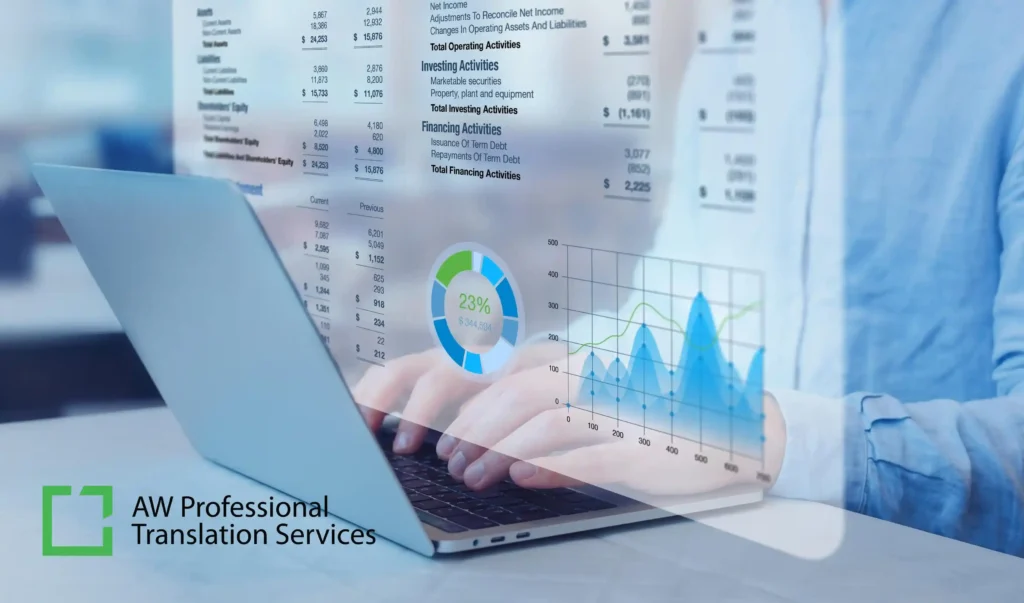
Why Annual Reports Translation & Localization Is NecessaryMany organizations underestimate the complexity of annual reports translation. However, localization is not optional, it is essential.

1. Regulatory and Legal Compliance

Different countries have strict rules governing financial disclosures and corporate reporting. A localized annual report ensures compliance with:

  • Local financial terminology

  • Regulatory language requirements

  • Disclosure standards

Poor translation can result in regulatory scrutiny or rejection.

Also learn : VR Localization

2. Investor Confidence and Trust

International investors rely on localized annual reports to make informed decisions. Inaccurate or unclear translations can reduce confidence and harm credibility.

A professional Annual Reports Translation & Localization Guide ensures that strategic messaging and financial performance are communicated clearly.

3. Financial Accuracy and Risk Reduction

Annual reports contain sensitive financial data. Localization ensures:

  • Correct numerical formats

  • Accurate financial terminology

  • Clear explanations of risk and performance

This minimizes the risk of misinterpretation.

4. Brand Consistency Across Markets

Annual reports reflect a company’s brand voice and leadership vision. Localization ensures that tone, messaging, and values remain consistent across languages.

5. Global Stakeholder Communication

Employees, partners, regulators, investors, and media across different regions all rely on annual reports. Localization ensures that each audience receives information in a clear and culturally appropriate way.

The Annual Reports Translation & Localization Process

Professional annual report localization follows a structured workflow to ensure quality and compliance.

1. Content Assessment and Planning

The process begins with a detailed review of the report to identify:

  • Document scope and complexity

  • Target languages and regions

  • Financial, legal, and ESG components

  • Formatting and design requirements

This planning phase is critical for efficiency and accuracy.

2. Specialized Translation by Expert Linguists

Annual reports require linguists with expertise in:

  • Finance and accounting

  • Corporate governance

  • Legal disclosures

  • Investor communications

At AW PTS, only subject-matter specialists handle annual report translation.

3. Localization of Financial and Regulatory Content

Localization ensures alignment with:

  • Local accounting terminology

  • Regulatory language conventions

  • Market-specific reporting expectations

This step ensures the report is compliant and credible in each target market.

4. Formatting and Layout Adaptation

Annual reports often contain tables, charts, and complex layouts. Localization includes:

  • Adapting text expansion or contraction

  • Maintaining visual consistency

  • Ensuring correct numerical and date formats

This preserves the professional appearance of the report.

5. Quality Assurance and Review

A multi-level review process ensures:

  • Linguistic accuracy

  • Financial consistency

  • Terminology alignment

  • Compliance with client and regulatory standards

Quality assurance is non-negotiable for annual reports.

Common Challenges in Annual Reports Localization

Common Challenges in Annual Reports LocalizationWithout professional support, organizations often face:

  • Incorrect financial terminology

  • Inconsistent translations across sections

  • Cultural misalignment in leadership messaging

  • Formatting errors in tables and figures

  • Compliance risks

A structured Annual Reports Translation & Localization Guide helps avoid these issues.

Why Machine Translation Is Not Enough for Annual Reports

While machine translation can be useful for internal drafts, it is not suitable for final annual reports.

Machine translation often fails to:

  • Understand financial and legal nuance

  • Maintain consistent terminology

  • Ensure regulatory compliance

  • Provide accountability

Annual reports require human expertise, review, and responsibility.

Why Choose AW PTS for Annual Reports Translation & Localization?

AW PTS provides professional annual reports translation and localization services designed for global organizations.

With AW PTS, you benefit from:

  • Financial and legal subject-matter experts

  • Consistent terminology management

  • Multilingual quality assurance

  • Secure and confidential handling

  • Scalable solutions for global reporting

AW PTS understands that annual reports are not just documents, they are strategic assets.

contact us aw pts

Industries That Rely on Annual Reports Localization

Annual reports localization is essential across industries, including:

  • Financial services and banking

  • Public companies and listed entities

  • Technology and SaaS firms

  • Energy and manufacturing

  • Government and public sector

  • NGOs and international organizations

Each sector requires precision, compliance, and professionalism.


Final Thoughts

This Annual Reports Translation & Localization Guide highlights why professional localization is essential for global transparency, compliance, and credibility. Annual reports communicate performance, strategy, and trust, and errors can be costly.

By partnering with AW PTS, organizations ensure their annual reports are translated and localized with accuracy, cultural relevance, and regulatory confidence. In a global business landscape, clear and compliant communication is not optional, it is a competitive advantage.

Follow us on Linkedin for more info 
28Jan

Types of Interpretation in Communication Guide | Professional Interpretation Services | AW PTS

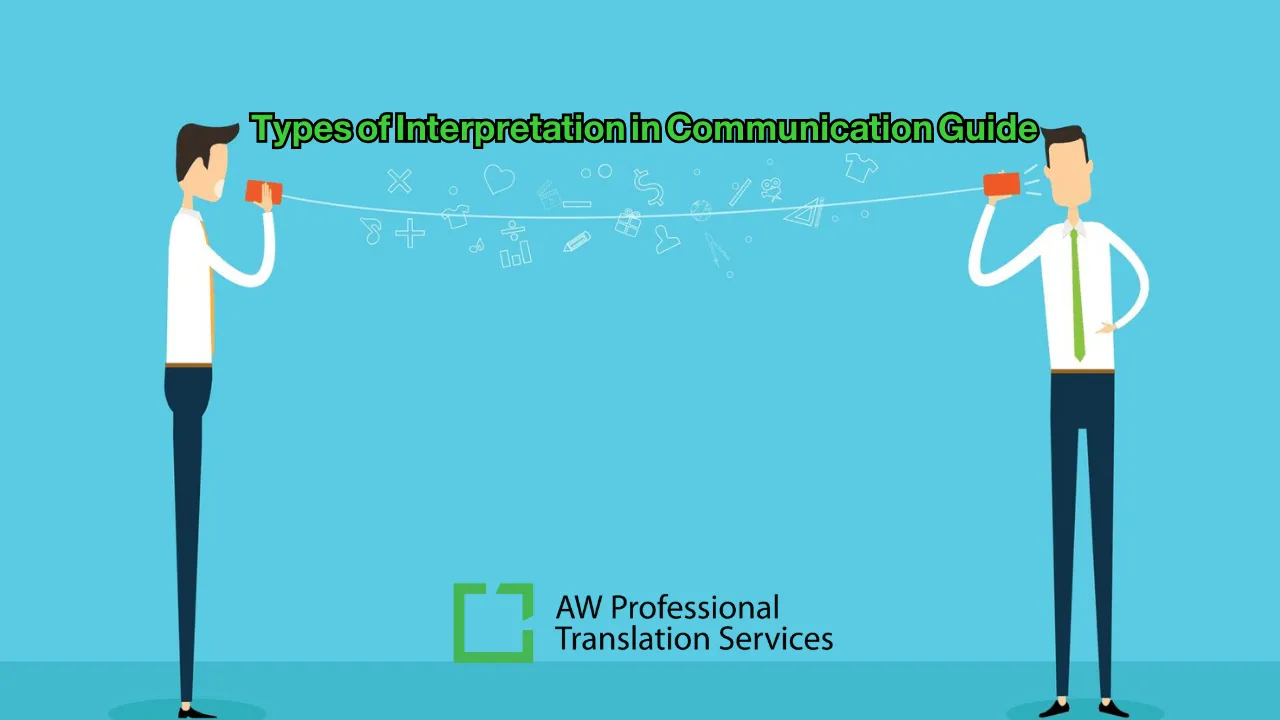
Understanding the types of interpretation in communication is essential for organizations operating in multilingual and multicultural environments. Interpretation plays a vital role in ensuring clear, accurate, and real-time communication across languages, especially in business, legal, medical, and diplomatic settings.

This guide explores the main types of interpretation in communication, when each type is used, and how professional interpretation services from AW PTS ensure accuracy and effectiveness.

What Is Interpretation in Communication?

What Is Interpretation in Communication?Interpretation in communication is the real-time conversion of spoken or signed language from one language into another. Unlike translation, which deals with written text, interpretation focuses on spoken interaction and requires immediate linguistic and cultural accuracy.

Effective interpretation ensures:

  • Clear understanding between parties

  • Cultural sensitivity

  • Accurate message delivery

  • Smooth communication flow

Learn : Why you should hire a court interpreter 

Main Types of Interpretation in Communication

1. Simultaneous Interpretation

Simultaneous interpretation is one of the most widely used types of interpretation in communication, especially in large events.

The interpreter listens and speaks at the same time, usually through headsets and soundproof booths.

Common use cases:

  • International conferences

  • Global summits

  • Multilingual meetings

This type requires highly trained interpreters with exceptional concentration and subject-matter expertise.

contact us aw pts

2. Consecutive Interpretation

In consecutive interpretation, the speaker pauses to allow the interpreter to deliver the message.

It is commonly used in:

  • Business meetings

  • Legal interviews

  • Medical consultations

  • Training sessions

Among the types of interpretation in communication, this method allows for high accuracy and personal interaction.

3. Whispered Interpretation (Chuchotage)

Whispered interpretation involves the interpreter quietly translating to one or two listeners.

Typical scenarios include:

  • Courtrooms

  • Small meetings

  • Diplomatic visits

It is a discreet form of interpretation used when only a few participants need assistance.

4. Liaison Interpretation

Liaison interpretation supports two-way communication between parties in small group settings.

It is often used for:

  • Business negotiations

  • Site visits

  • Diplomatic meetings

This is one of the most flexible types of interpretation in communication, allowing natural dialogue.

5. Legal Interpretation

Legal interpretation focuses on accuracy and compliance in legal contexts.

It is essential for:

  • Court proceedings

  • Depositions

  • Arbitration

  • Law firm consultations

Legal interpretation requires interpreters with specialized legal knowledge.

6. Medical Interpretation

Medical interpretation ensures clear communication between healthcare providers and patients.

Common settings include:

  • Hospitals and clinics

  • Medical consultations

  • Emergency care

Accuracy is critical, as errors can affect patient safety.

7. Remote Interpretation

Remote interpretation uses technology to deliver interpretation services without physical presence.

It includes:

  • Telephone interpretation

  • Video remote interpretation

This type has become increasingly popular due to global business operations and digital communication.

Choosing the Right Type of Interpretation

Choosing the Right Type of InterpretationSelecting the right option from the types of interpretation in communication depends on:

  • Setting and audience size

  • Subject matter complexity

  • Level of formality

  • Technical requirements

Professional guidance ensures the best fit for each scenario.

Common Challenges in Interpretation

Without professional support, interpretation may suffer from:

  • Miscommunication

  • Cultural misunderstandings

  • Inaccurate terminology

  • Disrupted communication flow

These risks highlight the importance of expert interpreters.

Why Professional Interpretation Matters

Interpretation is not just about language—it’s about meaning, intent, and context.

Professional interpreters ensure:

  • Consistent messaging

  • Cultural awareness

  • Confidentiality

  • Accuracy under pressure

This is especially important in high-stakes environments.

Why Choose AW PTS for Interpretation Services?

AW PTS delivers expert interpretation solutions across all major types of interpretation in communication.

With AW PTS, you benefit from:

  • Certified and experienced interpreters

  • Industry-specific expertise

  • On-site and remote interpretation options

  • Strict confidentiality standards

  • Reliable and scalable solutions

AW PTS ensures every conversation is understood clearly and accurately.

contact us aw pts

Industries That Rely on Interpretation Services

Interpretation plays a key role in:

Each sector requires precision and professionalism.

FAQs

What are the main types of interpretation in communication?

The main types of interpretation in communication include simultaneous interpretation, consecutive interpretation, whispered interpretation (chuchotage), liaison interpretation, legal interpretation, medical interpretation, and remote interpretation.

What is the difference between interpretation and translation?

Interpretation deals with spoken or signed language in real time, while translation focuses on written text. Interpretation requires immediate accuracy, cultural awareness, and strong listening and speaking skills.

When is simultaneous interpretation used?

Simultaneous interpretation is commonly used in conferences, international summits, and large multilingual events where real-time communication is required without interrupting the speaker.

What situations require consecutive interpretation?

Consecutive interpretation is ideal for business meetings, legal interviews, medical consultations, and training sessions where the speaker pauses to allow interpretation.

Final Thoughts

Understanding the types of interpretation in communication helps organizations communicate effectively in today’s global environment. Choosing the right interpretation method and professional partner can make the difference between success and misunderstanding.

With AW PTS, businesses and institutions gain access to trusted interpretation expertise that ensures clarity, accuracy, and confidence in every interaction.

Follow us on Linkedin for more info 

27Jan

Website Localization Workflow Guide | Global Website Localization by AW PTS

A well-defined website localization workflow is essential for any business aiming to expand into international markets. Translating content alone is no longer enough. True localization adapts language, design, functionality, and user experience to meet cultural, legal, and technical expectations.

In this guide, we explain the complete website localization workflow, provide real website localization examples, and show how AW PTS delivers professional, scalable localization solutions for global businesses.

What Is a Website Localization Workflow?

What Is a Website Localization Workflow?A website localization workflow is the structured process of adapting a website for different languages and regions while maintaining brand consistency, functionality, and SEO performance.

Unlike simple translation, website localization considers:

  • Cultural preferences

  • Local terminology

  • Legal and regulatory requirements

  • Currency, formats, and layouts

  • Search engine behavior in each market

contact us aw pts

The Complete Website Localization Workflow

1. Market and Audience Analysis

Every effective website localization workflow starts with understanding the target market.

This stage includes:

  • Identifying target regions and languages

  • Analyzing cultural expectations

  • Reviewing legal and compliance requirements

  • Studying local competitors and user behavior

Without this step, localization risks missing the audience entirely.

Learn about  Ecommerce localization 

2. Website Content Audit

Before translation begins, all website content must be reviewed.

This includes:

  • Pages, blogs, product descriptions

  • Metadata, URLs, and SEO elements

  • Images, videos, and downloadable content

  • System messages and UI elements

A strong website localization workflow ensures no content is overlooked.

3. Localization Strategy and Planning

At this stage, decisions are made about:

  • Languages and regional variants

  • Localization depth (full vs partial)

  • SEO localization strategy

  • Technical implementation approach

Planning prevents rework and saves long-term costs.

4. Translation and Cultural Adaptation

This is the core of the website localization workflow.

Professional linguists:

  • Translate content accurately

  • Adapt tone, idioms, and cultural references

  • Localize calls to action

  • Ensure consistency with brand voice

This step goes far beyond word-for-word translation.

5. Technical Localization and Integration

Technical implementation is critical to success.

This includes:

  • CMS integration

  • URL and hreflang setup

  • Font and layout adjustments

  • Encoding and formatting changes

Without proper technical execution, even the best translations can fail.

6. Quality Assurance and Linguistic Testing

Quality control is a non-negotiable step in any website localization workflow.

Testing covers:

  • Linguistic accuracy

  • Functional usability

  • Layout and formatting

  • Cross-device compatibility

Errors discovered after launch can damage credibility and conversions.

Also learn : VR Localization

7. SEO Localization and Optimization

Localized SEO ensures visibility in local search engines.

This stage includes:

  • Local keyword research

  • Optimized meta titles and descriptions

  • Localized URLs and internal linking

  • Market-specific content optimization

SEO is what turns localized websites into revenue-generating assets.

Learn about E-learning Localization

8. Launch and Continuous Optimization

Localization does not end at launch.

A successful website localization workflow includes:

  • Performance tracking

  • User feedback analysis

  • Content updates

  • Ongoing language support

Markets evolve, and websites must evolve with them.

Website Localization Examples

Website Localization ExamplesUnderstanding website localization examples helps illustrate the value of a structured workflow.

Examples include:

  • Adapting pricing and currency for regional markets

  • Localizing imagery and colors to match cultural preferences

  • Modifying legal disclaimers for regional regulations

  • Adjusting tone and messaging to suit local communication styles

These details directly impact trust and conversion rates.

Common Website Localization Mistakes

Without a proper website localization workflow, businesses often face:

  • Literal translations that feel unnatural

  • Ignored cultural sensitivities

  • Broken layouts after translation

  • Poor local SEO performance

  • Inconsistent terminology across pages

Avoiding these mistakes requires expertise and process discipline.

Why AW PTS Is the Right Partner for Website Localization

AW PTS delivers end-to-end website localization services designed for scalability and precision.

With AW PTS, you get:

  • Expert localization linguists

  • SEO-driven localization strategies

  • Technical localization support

  • Multilingual quality assurance

  • Industry-specific expertise

AW PTS ensures your website performs as a local brand in every market.

contact us aw pts

Who Needs a Website Localization Workflow?

A structured website localization workflow is essential for:

  • Global businesses

  • E-commerce platforms

  • SaaS companies

  • Government and legal organizations

  • Brands entering new regional markets

Localization is no longer optional — it is a competitive requirement.

 Learn how we manage Quality assurance in localization

FAQs

What is a website localization workflow?

A website localization workflow is a structured process that adapts a website for different languages and regions. It goes beyond translation to include cultural adaptation, technical implementation, legal compliance, and localized SEO to ensure the website performs effectively in each target market.


How is website localization different from website translation?

Website translation focuses only on converting text from one language to another. Website localization adapts language, tone, visuals, formats, SEO elements, and user experience to match cultural, legal, and market expectations in each region.


Why is a website localization workflow important for global businesses?

A structured website localization workflow ensures consistency, accuracy, and scalability. It reduces errors, improves local search visibility, increases user trust, and helps businesses avoid cultural or legal issues when entering international markets.


What are common website localization mistakes?

Common mistakes include literal translations, ignoring cultural differences, broken layouts after translation, missing SEO localization, and inconsistent terminology across pages. These issues can negatively affect credibility and conversion rates.


Does website localization include SEO optimization?

Yes. SEO localization is a core part of a professional website localization workflow. It includes local keyword research, optimized meta titles and descriptions, localized URLs, and content tailored to local search behavior.


How long does a website localization project take?

The timeline depends on website size, number of languages, technical complexity, and localization depth. A well-planned workflow helps reduce delays and ensures efficient delivery without compromising quality.


How does AW PTS support website localization projects?

AW PTS provides end-to-end website localization services, including linguistic localization, technical integration, SEO optimization, and multilingual quality assurance. The goal is to help websites perform like local brands in every target market.


Final Thoughts

A professional website localization workflow transforms your website from a translated platform into a truly localized digital experience. By combining strategy, technology, and linguistic expertise, businesses can reach new markets with confidence.

With AW PTS, companies gain a trusted localization partner that delivers accuracy, cultural relevance, and measurable results.

Follow us on Linkedin for more info 

26Jan

Common Translation and Localization Mistakes in UAE | AW PTS

The UAE is one of the most diverse and multilingual markets in the world. Businesses operating in this environment must communicate accurately and culturally with audiences from different backgrounds. Unfortunately, many companies fall into Common Translation and Localization Mistakes that reduce trust, impact compliance, and limit market success.

This article explains what translation and localization really mean, the most common mistakes in each, and how AW PTS helps businesses avoid them in the UAE market.

What Is Translation?

Translation is the process of converting written content from one language into another while preserving the original meaning. In the UAE, translation is commonly required for:

  • Business documents

  • Legal and official materials

  • Websites and mobile applications

  • Marketing and corporate communications

Professional translation focuses on linguistic accuracy, terminology, and clarity.

contact us aw pts

Common Translation Mistakes in the UAE

1. Literal Word-for-Word Translation

Direct translation without context often produces unnatural or incorrect meaning, especially between English and Arabic.

2. Incorrect Terminology

Using inaccurate legal, financial, or technical terms can lead to misunderstandings or compliance risks.

3. Lack of Native Language Expertise

Non-native translators may miss nuances, tone, and local usage.

4. Ignoring Formal and Informal Language Levels

Arabic in the UAE often requires Modern Standard Arabic, not casual dialects.

5. Skipping Proofreading and Review

Unreviewed translations often contain grammatical or contextual errors.

What Is Localization?

What Is Localization?Localization goes beyond translation. It adapts content to the cultural, technical, and regulatory expectations of the target market. In the UAE, localization often includes:

  • Cultural tone and messaging

  • Right-to-left (RTL) layout adaptation

  • Local currency, dates, and units

  • Market-specific terminology

  • User experience adaptation

Localization ensures content feels natural and relevant—not foreign.

Learn about  Ecommerce localization 

Common Localization Mistakes in the UAE

1. Ignoring Cultural Sensitivities

Content that works in other regions may be inappropriate or ineffective in the UAE.

2. Poor Arabic RTL Layout Handling

Improper alignment, broken UI, and reversed layouts are common localization errors.

3. Inconsistent User Experience

Partially localized interfaces confuse users and reduce engagement.

4. Failure to Adapt Visual Elements

Icons, images, and colors may carry different meanings locally.

5. Overlooking Local Regulations

Certain industries require localized compliance language and formats.

 Learn how we manage Quality assurance in localization

Translation vs Localization: Common Mistakes Comparison

Area Translation Mistakes Localization Mistakes
Focus Language accuracy only Cultural and functional adaptation
Common Error Literal wording Cultural mismatch
Language Direction Incorrect phrasing Broken RTL layout
Terminology Inconsistent terms Market-inappropriate terms
User Experience Understandable but awkward Confusing or unnatural
Compliance Risk Medium High in regulated industries

This table highlights why both translation and localization must be handled professionally in the UAE.

Learn about E-learning Localization

Why These Mistakes Are Costly in the UAE

Common Translation and Localization Mistakes can lead to:

  • Loss of customer trust

  • Regulatory or legal issues

  • Poor app or website performance

  • Brand credibility damage

  • Missed market opportunities

In a competitive UAE market, these mistakes directly impact revenue and growth.

How AW PTS Eliminates Translation and Localization Mistakes

How AW PTS Eliminates Translation and Localization MistakesAW PTS provides professional translation and localization services tailored specifically for the UAE.

AW PTS Key Strengths:

  • Native Arabic and English linguists

  • UAE market and cultural expertise

  • Arabic RTL and UI localization specialists

  • Industry-specific terminology management

  • Multi-stage quality assurance

Every project is adapted linguistically, culturally, and technically.

contact us aw pts

Industries in the UAE That Require Error-Free Localization

AW PTS supports businesses across:

  • Legal and compliance

  • Technology and software

  • E-commerce and retail

  • Healthcare and education

  • Government and corporate sectors

Accuracy and localization excellence are essential in all these industries.

Learn Data-driven localization strategy

FAQs: Common Translation and Localization Mistakes in the UAE

What are the most common translation mistakes in the UAE?

The most common translation mistakes include literal word-for-word translation, incorrect terminology, lack of native language expertise, improper use of Arabic language levels, and skipping proofreading.

What is the difference between translation and localization?

Translation focuses on converting text from one language to another, while localization adapts content to cultural, technical, and regulatory requirements of the UAE market.

Why is localization important for the UAE market?

The UAE is culturally diverse and highly regulated. Localization ensures content aligns with cultural expectations, Arabic RTL formatting, local terminology, and compliance requirements.

What are common localization mistakes businesses make in the UAE?

Common localization mistakes include ignoring cultural sensitivities, poor RTL layout handling, inconsistent user experience, inappropriate visuals, and overlooking local regulations.

Can translation errors cause legal or compliance issues in the UAE?

Yes. Incorrect legal or regulatory translation can lead to misunderstandings, rejected documents, or legal consequences, especially in regulated industries.


Understanding and avoiding Common Translation and Localization Mistakes is essential for success in the UAE’s multilingual environment. Accurate translation ensures clarity, while effective localization ensures relevance and trust.

With proven expertise and deep UAE market knowledge, AW PTS helps businesses communicate flawlessly—without errors, confusion, or cultural risk.

Follow us on Linkedin for more info 

25Jan

Mobile Apps Translation Services in UAE | Professional App Translation

In a highly diverse market like the UAE, language plays a critical role in mobile app success. Mobile Apps Translation Services help businesses communicate clearly with users from different linguistic and cultural backgrounds, improving engagement, usability, and growth.

This article explains the importance of mobile apps translation, how the process works, and why AW PTS is the leading provider of mobile apps translation services in the UAE.

What Are Mobile Apps Translation Services?

What Are Mobile Apps Translation Services?Mobile Apps Translation Services involve translating all textual and functional elements of a mobile application into one or more target languages while maintaining clarity, accuracy, and user experience.

These services typically cover:

  • App interface elements

  • Menus, buttons, and navigation

  • Notifications and system messages

  • In-app purchases and instructions

  • App store descriptions and updates

contact us aw pts

Why Mobile Apps Translation Services Are Essential in the UAE

The UAE’s multilingual population requires apps to function seamlessly in multiple languages.

Key Benefits of Mobile Apps Translation Services:

  • Expanded market reach

  • Improved user engagement

  • Higher app retention rates

  • Better app store performance

  • Stronger brand credibility

Learn about E-learning Localization

Mobile Apps Translation vs LocalizationWhy Mobile Apps Translation Services Are Essential in the UAE

While translation focuses on converting text, localization adapts the app to the cultural and functional expectations of users.

Comparison Table: Translation vs Localization

Aspect Mobile Apps Translation Mobile Apps Localization
Focus Language conversion Language + cultural adaptation
UI Layout Basic text replacement RTL support & layout adjustment
Cultural Relevance Limited Fully adapted for local users
User Experience Understandable Natural and intuitive
Best Use Case Single-language expansion Regional or global expansion

AW PTS delivers both translation and full localization for mobile applications.

Learn about  Ecommerce localization 

Types of Mobile Apps That Require Translation

Mobile Apps Translation Services are essential for a wide range of applications, including:

App Type Translation Needs
E-commerce Apps Product listings, checkout, notifications
Fintech Apps Financial terms, security messages
Healthcare Apps Medical instructions, patient guidance
E-learning Apps Courses, quizzes, certificates
Gaming Apps Dialogues, UI text, in-game purchases
Travel Apps Booking flows, policies, alerts

The Mobile Apps Translation Process at AW PTS

Step Description
Content Analysis Review UI strings and technical content
Professional Translation Certified translators handle all text
Localization Cultural and regional adaptation
Technical Integration Developer-friendly delivery formats
Quality Assurance Linguistic and functional testing

How Mobile Apps Translation Services Help Businesses Scale

How Mobile Apps Translation Services Help Businesses ScaleProfessional Mobile Apps Translation Services help businesses:

  • Enter new markets efficiently

  • Increase downloads and conversions

  • Improve user satisfaction

  • Build long-term brand trust

Language accessibility directly impacts mobile app growth.

Also learn : VR Localization

Why AW PTS Is the Best Mobile Apps Translation Services Provider in UAE

AW PTS stands out as a trusted leader in translation and localization services.

Key Advantages of AW PTS:

  • Expert mobile app translators

  • Support for all global languages

  • Arabic and RTL specialization

  • Industry-specific expertise

  • High-quality localization standards

AW PTS ensures your app delivers a seamless experience in every language.

contact us aw pts

Industries Served by AW PTS

Industry App Translation Use Case
Technology SaaS and enterprise mobile apps
Retail Online shopping and loyalty apps
Healthcare Telemedicine and wellness platforms
Education Learning and training apps
Finance Banking and payment solutions

FAQs

1. What are mobile apps translation services?
Mobile apps translation services involve translating all app content—such as menus, buttons, notifications, and descriptions—into other languages while maintaining clarity and usability.

2. Why are mobile apps translation services important in the UAE?
The UAE has a highly diverse, multilingual population. Translating mobile apps helps businesses reach wider audiences, improve engagement, and increase app adoption.

3. What is the difference between mobile apps translation and localization?
Translation focuses on language conversion, while localization adapts content to cultural norms, user behavior, and technical requirements such as RTL (right-to-left) layouts.

4. Which types of apps require translation services?
E-commerce, fintech, healthcare, e-learning, gaming, travel, and enterprise apps all benefit from professional mobile apps translation services.

5. Does mobile apps translation improve app store performance?
Yes. Translated app store descriptions and localized content can improve visibility, downloads, user ratings, and retention.

6. How does AW PTS handle mobile apps translation projects?
AW PTS follows a structured process that includes content analysis, professional translation, localization, technical integration, and quality assurance testing.


In the UAE’s multilingual digital landscape, Mobile Apps Translation Services are essential for success. Accurate translation and smart localization ensure your app connects with users, builds trust, and grows sustainably.

With proven expertise, regional knowledge, and multilingual excellence, AW PTS is the best partner for mobile apps translation services in the UAE.

Follow us on Linkedin for more info 

22Jan

How to Choose the Right Translation Company in 2026 | AW PTS

Choosing the right translation company is a critical decision for businesses, law firms, and organizations operating in multilingual environments. The quality of translation directly affects legal compliance, brand reputation, customer trust, and business growth.

This guide explains how to choose the right translation company, the key factors to consider, and why certified providers like AW PTS set the standard for professional translation services.

Why Choosing the Right Translation Company Matters

Why Choosing the Right Translation Company MattersTranslation is more than converting words from one language to another. Poor translation can lead to:

  • Legal disputes

  • Brand miscommunication

  • Regulatory non-compliance

  • Loss of credibility

Understanding how to choose the right translation company helps ensure accuracy, cultural relevance, and professional reliability across all content types.

contact us aw pts

Key Factors to Consider When Choosing a Translation Company

Key Factors to Consider When Choosing a Translation Company1. Certification and Accreditation (Most Important Factor)

One of the most critical factors when deciding how to choose the right translation company is certification.

Certified translation providers follow strict quality standards and are officially recognized by authorities.

AW PTS is fully certified, including:

  • MOJ (Ministry of Justice) certification

  • ISO 9001:2015 – Quality Management Systems

  • ISO 17100:2015 – Translation Services Standards

These certifications guarantee:

  • Accuracy and consistency

  • Qualified professional translators

  • Structured quality control processes

  • Legal and official acceptance

Choosing a certified provider protects your business from costly errors and document rejection.

 Learn how we manage Quality assurance in localization

2. Industry and Subject-Matter Expertise

Different industries require specialized knowledge. The right translation company should have experience in:

AW PTS works with subject-matter experts to ensure terminology accuracy and industry compliance.

3. Language Coverage and Localization Capability

When learning how to choose the right translation company, look beyond language lists. True value lies in:

  • Native linguists

  • Cultural localization

  • Regional terminology adaptation

AW PTS offers translation and localization services across all major global languages, ensuring content resonates with local audiences.

4. Quality Assurance Process

Professional translation companies implement multi-step quality assurance processes, including:

  • Initial translation by a qualified linguist

  • Editing and proofreading

  • Terminology consistency checks

  • Final quality validation

AW PTS follows internationally recognized QA workflows aligned with ISO standards.

5. Confidentiality and Data Security

Translation often involves sensitive legal, financial, or corporate information. The right translation company must:

  • Maintain strict confidentiality

  • Use secure document handling systems

  • Comply with data protection regulations

AW PTS ensures secure workflows and confidentiality at every stage of the translation process.

6. Turnaround Time and Scalability

Businesses often work under tight deadlines. A professional translation company should:

  • Handle urgent requests

  • Scale for large projects

  • Deliver consistent quality regardless of volume

AW PTS provides flexible, scalable translation solutions without compromising accuracy.

7. Professional Support and Communication

Clear communication and dedicated project management are essential. Reliable translation companies offer:

  • Transparent timelines

  • Clear pricing

  • Ongoing client support

AW PTS assigns experienced project managers to ensure smooth execution and timely delivery.

Why AW PTS Is the Right Translation Company

When evaluating how to choose the right translation company, AW PTS stands out due to its:

  • MOJ certification for official and legal translations

  • ISO 9001:2015 & ISO 17100:2015 certifications

  • Experienced professional translators

  • Industry-specific expertise

  • Global language coverage

  • Proven quality assurance systems

These strengths make AW PTS a trusted partner for businesses, legal professionals, and organizations worldwide.

contact us aw pts

Common Mistakes to Avoid When Choosing a Translation Company

  • Common Mistakes to Avoid When Choosing a Translation CompanyChoosing based on price alone

  • Ignoring certifications

  • Using non-specialized translators

  • Overlooking localization needs

Avoiding these mistakes ensures long-term success and content reliability.

Learn about E-learning Localization

FAQs

1. Why is it important to choose the right translation company?
Choosing the right translation company ensures accuracy, legal compliance, cultural relevance, and brand consistency. Poor translation can lead to legal issues, reputational damage, and financial loss.

2. What certifications should a professional translation company have?
A reliable translation company should hold recognized certifications such as MOJ (Ministry of Justice) certification and ISO standards like ISO 9001:2015 and ISO 17100:2015, which guarantee quality and professional processes.

3. Is certification the most important factor when choosing a translation company?
Yes. Certification is one of the most critical factors because it ensures official recognition, qualified translators, quality assurance systems, and acceptance by legal and government authorities.

4. What is ISO 17100:2015 in translation services?
ISO 17100:2015 is an international standard specific to translation services. It ensures qualified linguists, structured workflows, terminology management, and consistent quality control.

5. Why is MOJ certification important for translation?
MOJ-certified translation is required for legal, court, and official documents. It ensures translations are accepted by government entities, courts, and regulatory authorities.


Understanding how to choose the right translation company is essential for businesses that value accuracy, compliance, and professional communication. Certification, expertise, quality control, and reliability should always guide your decision.

With MOJ certification and ISO 9001:2015 and ISO 17100:2015 standards, AW PTS delivers trusted, high-quality translation services that meet international and legal requirements — making it the right choice for organizations that demand excellence.

Follow us on Linkedin for more info 
21Jan

Best Translation Services for Businesses in 2026 | AW PTS

In today’s global economy, businesses need to communicate seamlessly across languages and markets. Accurate and culturally sensitive translation is no longer optional, it is essential for growth, branding, and compliance. Choosing the best translation services for businesses in 2026 can give your company a competitive edge, ensuring your content resonates with local audiences while maintaining global consistency.

AW PTS offers comprehensive translation solutions for businesses of all sizes, helping companies expand internationally with confidence.

Why Businesses Need Professional Translation Services

Why Businesses Need Professional Translation ServicesAs companies expand into new markets, language barriers can hinder growth. Professional translation services help businesses:

  • Reach new international audiences

  • Maintain brand consistency across regions

  • Comply with local regulations and legal requirements

  • Increase engagement and customer trust

Investing in the best translation services for businesses in 2026 ensures high-quality translations that align with your company’s objectives and industry standards.

 Learn how we manage Quality assurance in localization

What Makes a Translation Service the Best for Businesses?

Not all translation providers deliver the same level of expertise. When choosing the best translation services for businesses in 2026, look for:

1. Industry-Specific Expertise

Different industries require specialized knowledge. Whether you are in finance, legal, healthcare, or technology, the translation provider should understand industry terminology and compliance standards.

2. Multilingual Capabilities

Businesses today need translations in multiple languages. The best translation services for businesses in 2026 offer a wide range of language options, including major global languages and region-specific dialects.

3. Cultural Localization

Translation is not just about words; it’s about culture. Localized content ensures that your message is relevant and resonates with the target audience.

contact us aw pts

4. Accuracy and Quality Assurance

Professional providers maintain high-quality standards, with multiple review rounds and linguistic verification to ensure translations are precise, consistent, and free of errors.

5. Scalability

The ability to handle large-scale projects, including marketing campaigns, product launches, or regulatory documentation, is crucial for growing businesses.

Types of Business Translation Services

The best translation services for businesses in 2026 cover a wide range of solutions:

  • Document Translation: Contracts, reports, manuals, and official documents

  • Website and Software Localization: Making digital content accessible in multiple languages

  • Marketing and Advertising Translation: Localizing campaigns for regional relevance

  • Technical Translation: Manuals, instructions, and engineering documentation

  • Legal Translation: Court documents, contracts, and compliance materials

  • Multimedia Translation: Videos, e-learning content, and corporate presentations

AW PTS provides all these services with expert linguists and industry-specific specialists.

Follow us on Linkedin for more info 

Benefits of Using AW PTS for Business Translation

Choosing AW PTS as your translation partner ensures:

  • Professional Expertise: Skilled linguists with deep industry knowledge

  • High Accuracy: Thorough review and quality assurance processes

  • Global Language Coverage: Translation into all major and regional languages

  • Cultural Sensitivity: Content localized for target markets

  • Reliable Delivery: Scalable solutions for projects of any size

AW PTS is recognized as one of the best translation services for businesses in 2026, trusted by companies seeking precise, reliable, and professional translation solutions.

Learn Data-driven localization strategy

How Translation Services Drive Business Growth

How Translation Services Drive Business GrowthProfessional translation helps businesses:

  • Expand into new international markets

  • Enhance customer engagement

  • Maintain compliance with local laws and standards

  • Improve brand perception and trust

  • Increase revenue through localized marketing campaigns

Investing in top-tier business translation services is an essential step toward sustainable global growth.

Learn about E-learning Localization

Choosing the Right Translation Partner

When selecting a provider, ensure they offer:

  • Certified translators for legal and official documents

  • Tailored solutions for your industry and business needs

  • Secure handling of sensitive corporate information

  • Consistent communication and project management support

AW PTS excels in all these areas, making it the ideal partner for businesses seeking the best translation services in 2026.

contact us aw pts

FAQs

1. Why do businesses need professional translation services?
Professional translation ensures accuracy, cultural relevance, and compliance with local regulations. It helps businesses reach international audiences, maintain brand consistency, and build trust globally.

2. What makes a translation service the best for businesses in 2026?
Top translation services combine industry-specific expertise, multilingual capabilities, cultural localization, accuracy, quality assurance, and scalability to handle projects of any size.

3. What types of business translation services are available?
Common services include document translation, website and software localization, marketing translation, technical translation, legal translation, and multimedia translation.

4. How does AW PTS ensure translation quality?
AW PTS uses skilled linguists, multiple review rounds, terminology management, and strict quality assurance processes to deliver accurate and consistent translations.

5. Which industries benefit from business translation services?
Finance, legal, healthcare, technology, manufacturing, marketing, and international trade are just a few industries that require specialized translation solutions.


In 2026, businesses that wish to compete globally cannot overlook professional translation services. The right provider ensures accuracy, cultural relevance, and legal compliance, all crucial for market success.

AW PTS offers the expertise, reliability, and comprehensive solutions that make it the leading choice for companies seeking the best translation services for businesses in 2026. With AW PTS, your business can communicate effectively across borders and achieve its international growth objectives.

20Jan

Indie Games Localization Service | Localization for Indie Developers

Indie games are no longer limited to local audiences. With digital distribution platforms and global marketplaces, independent developers now have the opportunity to reach players worldwide. However, global success depends heavily on effective localization. A professional indie games localization service ensures your game connects with players across languages, cultures, and regions.

This guide explains everything indie developers need to know about game localization, supported languages, game genres, and why AW PTS is the best choice for indie game localization.

What Is Indie Games Localization?

What Is Indie Games Localization?Indie games localization is the process of adapting a game for different languages and cultures while preserving gameplay experience, story, humor, and emotional impact. It goes beyond translation to ensure the game feels native to players in every market.

Localization includes:

  • In-game text translation

  • Dialogue and narrative adaptation

  • UI and menu localization

  • Cultural adaptation

  • Technical integration and testing

A professional indie games localization service ensures quality without breaking your game or budget.

Also learn : VR Localization

Why Indie Developers Need Localization

For indie developers, localization can be a growth multiplier:

  • Expands your player base globally

  • Increases downloads and sales

  • Improves player reviews and retention

  • Builds trust in international markets

  • Enhances immersion and storytelling

Localized games consistently outperform non-localized titles in global stores.

What Can Be Localized in an Indie Game

AW PTS provides full-scope indie games localization services covering every game component.

In-Game Text and UI

Menus, settings, HUDs, tutorials, achievements, and system messages.

Dialogue and Narrative

Storylines, character dialogue, lore, quest descriptions, and cinematic text.

Subtitles and Voice-Over

Subtitling and voice-over localization for cutscenes, trailers, and gameplay narration.

Graphics and Visual Text

Text embedded in images, maps, textures, signs, and icons.

Store Pages and Marketing Assets

Game descriptions, trailers, screenshots, patch notes, and promotional content.

Updates and Live Content

DLCs, seasonal events, expansions, and ongoing updates.

Learn about E-learning Localization

Game Genres Supported by AW PTS

Game Genres Supported by AW PTSAW PTS localizes all indie game genres with genre-specific expertise:
  • Action and Adventure Games

  • RPG and JRPG Games

  • Indie Platformers

  • Puzzle and Casual Games

  • Strategy and Simulation Games

  • Visual Novels

  • Horror and Thriller Games

  • Narrative-Driven Games

  • Educational and Serious Games

  • Mobile Indie Games

Each genre requires a unique localization approach, tone, and player focus.

contact us aw pts

Languages Supported for Indie Games Localization

AW PTS offers indie game localization in all major and regional languages, including:

  • English

  • Arabic

  • French

  • German

  • Spanish

  • Italian

  • Portuguese

  • Chinese

  • Japanese

  • Korean

  • Russian

  • And many more

This allows indie developers to scale globally without language limitations.

 Learn how we manage Quality assurance in localization

The Indie Games Localization Process

AW PTS follows a developer-friendly localization workflow:

  1. Game Analysis – Understanding gameplay, tone, audience, and genre

  2. Localization Strategy – Target markets, languages, and scope

  3. Translation & Cultural Adaptation – By gaming-specialized linguists

  4. Technical Integration – Respecting file formats and game engines

  5. LQA (Linguistic Quality Assurance) – In-game testing and fixes

  6. Final Delivery & Support – Ongoing updates and expansions

This structured indie games localization service minimizes errors and maximizes player immersion.

Common Localization Mistakes Indie Developers Should Avoid

  • Literal translation without context

  • Ignoring cultural references and humor

  • Poor UI text expansion handling

  • Inconsistent terminology

  • No in-game testing

AW PTS helps indie developers avoid these pitfalls through professional localization and QA.

Learn Data-driven localization strategy

Why AW PTS Is the Best Indie Games Localization Service

AW PTS is trusted by developers because it understands both language and games.

What Makes AW PTS the Best Choice:

  • Game-specialized translators and reviewers

  • Experience across all indie game genres

  • Localization for all platforms and engines

  • Support for all global languages

  • Quality-first, developer-friendly workflows

AW PTS treats every indie project with the same care as AAA titles.

Follow us on Linkedin for more info 

How AW PTS Helps Indie Developers Succeed Globally

By choosing AW PTS, indie developers gain:

  • Global market access

  • Better player engagement

  • Higher store ratings

  • Stronger community trust

  • Long-term localization support

Localization becomes a growth tool — not a technical headache.

contact us aw pts

FAQs – Indie Games Localization

What is an indie games localization service?

An indie games localization service adapts a game’s text, dialogue, UI, visuals, and cultural references for different languages and regions. It ensures the game feels natural to players worldwide while preserving gameplay experience and storytelling.

Why is localization important for indie games?

Localization helps indie developers reach global audiences, increase downloads and sales, improve player reviews, and enhance immersion. Localized indie games consistently perform better in international app stores and marketplaces.

What parts of an indie game can be localized?

Indie games localization can include in-game text, UI and menus, dialogue and narrative, subtitles, voice-over, visual text, store pages, marketing assets, DLCs, and live content updates.

Does AW PTS localize all indie game genres?

Yes. AW PTS provides indie games localization services for all genres, including RPGs, platformers, puzzle games, strategy games, visual novels, horror games, simulation games, and mobile indie titles.

What languages does AW PTS support for indie game localization?

AW PTS offers indie game localization in all major and regional languages, including English, Arabic, European, Asian, and emerging market languages, allowing developers to scale globally without limitations.

How is indie games localization different from simple game translation?

Game translation focuses only on converting text, while indie games localization adapts language, tone, humor, cultural references, UI layout, and technical elements to ensure a native player experience.


A professional indie games localization service can be the difference between a local release and a global success. By localizing gameplay, narrative, UI, and marketing content, indie developers unlock new audiences and revenue streams.

With deep gaming expertise, multilingual coverage, and a quality-driven approach, AW PTS stands as the best partner for indie game localization worldwide.

Your game deserves players in every language.

19Jan

Best Multimedia Localization Providers 2026 | Media Localization Services – AW PTS

As global audiences consume content across multiple platforms and formats, localization is no longer limited to text. Brands, educators, software companies, and media producers now rely on professional multimedia localization to communicate effectively across cultures and languages.

Choosing from the best multimedia localization providers can determine whether your content resonates globally or fails to connect. This article explains what media localization is, covers all types of multimedia localization, and highlights why AW PTS is recognized as the best choice for multimedia localization worldwide.

What Is Media Localization?

What Is Media Localization?Many businesses ask: What is media localization?

Media localization is the process of adapting multimedia content—such as audio, video, visuals, and interactive media—to suit the linguistic, cultural, and technical expectations of a target audience. It goes far beyond translation to ensure the content feels natural, engaging, and locally relevant.

Professional media localization includes:

  • Language adaptation

  • Cultural customization

  • Audio and visual synchronization

  • Technical compatibility

The best multimedia localization providers deliver all these elements seamlessly.

Learn about E-learning Localization

Why Multimedia Localization Is Essential Today

Without proper localization, multimedia content may:

  • Confuse or disengage audiences

  • Appear culturally inappropriate

  • Lose marketing impact

  • Reduce learning effectiveness

  • Damage brand credibility

High-quality multimedia localization ensures consistency, clarity, and emotional connection across global markets.

contact us aw pts

Types of Media Covered in Multimedia Localization

Types of Media Covered in Multimedia LocalizationThe best multimedia localization providers support all media formats. AW PTS delivers comprehensive localization services across every multimedia type.
Video Localization

Video localization includes:

  • Subtitling

  • Voice-over

  • Dubbing

  • On-screen text localization

This is essential for marketing videos, training materials, documentaries, and corporate presentations.

 Learn how we manage Quality assurance in localization

Audio Localization

Audio localization adapts:

  • Podcasts

  • E-learning narration

  • IVR systems

  • Audiobooks

AW PTS ensures tone, pacing, and pronunciation match native audience expectations.

E-Learning and Training Media Localization

Educational multimedia requires precise localization to maintain learning outcomes. This includes:

  • Course videos

  • Interactive modules

  • Assessments

  • LMS interfaces

AW PTS specializes in instructional and corporate training localization.

Software and App Multimedia Localization

Modern software contains multimedia elements such as:

  • UI animations

  • In-app videos

  • Audio prompts

  • Interactive tutorials

Professional localization ensures usability across regions.

Follow us on Linkedin for more info 

Marketing and Advertising Media Localization

Marketing media localization includes:

  • Promotional videos

  • Social media content

  • Digital campaigns

  • Brand visuals

The best multimedia localization providers focus on emotional and cultural impact, not literal translation.

Gaming and Interactive Media Localization

Gaming and interactive content require:

  • Dialogue localization

  • Subtitles and voice acting

  • Cultural adaptation of visuals

  • User interface localization

AW PTS handles complex multimedia environments with precision.

How to Choose a Multimedia Localization Partner

How to Choose a Multimedia Localization Partner

Selecting the right partner is critical when working with multimedia content. Not all localization providers have the technical, linguistic, and creative capabilities required to handle complex media formats. When evaluating multimedia localization providers, consider the following key factors:

1. Experience Across All Media Types

Your localization partner should be able to handle video, audio, e-learning, software, marketing media, and interactive content — not just one format. A true multimedia partner offers end-to-end localization across all media.

2. Native Linguists and Cultural Experts

Effective multimedia localization depends on native-language professionals who understand cultural nuances, tone, and audience expectations. This is especially important for voice-over, dubbing, and marketing media.

3. Technical and Multimedia Capabilities

A reliable provider must understand multimedia tools, formats, subtitles, audio synchronization, file engineering, and platform requirements. Technical gaps can lead to delays, errors, or poor user experience.

4. Quality Assurance and Review Process

The best multimedia localization providers follow strict quality control procedures, including linguistic review, technical testing, and final validation across devices and platforms.

5. Multilingual Scalability

Your partner should be able to localize content into all required languages consistently, ensuring brand and message alignment across markets.

6. Proven Industry Expertise

Look for a partner with experience across industries such as e-learning, corporate training, marketing, software, and entertainment.

7. One Trusted Partner for All Localization Needs

Working with a single, full-service provider reduces complexity, improves consistency, and accelerates global content delivery.

Why AW PTS Is the Best Multimedia Localization Provider

AW PTS stands out as the best choice for multimedia localization due to its comprehensive, expert-driven approach.

Learn Data-driven localization strategy

What Sets AW PTS Apart:

  • Localization of all media types under one service

  • Specialized linguists and multimedia experts

  • Support for all global languages

  • Cultural, technical, and creative adaptation

  • Consistent quality across formats and platforms

Multimedia localization at AW PTS is not a fragmented service, it is a fully integrated solution.

contact us aw pts

Multimedia Localization in All Languages

AW PTS provides multimedia localization in:

  • English

  • Arabic

  • European languages

  • Asian languages

  • African and regional languages

This global coverage allows brands to scale content confidently into any market.

How AW PTS Supports Global Content Success

By working with AW PTS, organizations benefit from:

  • Stronger audience engagement

  • Higher content retention

  • Brand consistency across regions

  • Reduced localization risks

  • Faster global deployment

AW PTS ensures multimedia content communicates clearly, naturally, and effectively — everywhere.

FAQs – Multimedia Localization

What is media localization?

Media localization is the process of adapting multimedia content such as videos, audio, visuals, and interactive elements to match the language, culture, and technical standards of a target market. It goes beyond translation to ensure the content feels natural and engaging to local audiences.

What types of content are included in multimedia localization?

Multimedia localization covers video, audio, e-learning materials, software and app media, marketing and advertising content, gaming, and interactive digital media.

Why should businesses work with the best multimedia localization providers?

The best multimedia localization providers ensure accuracy, cultural relevance, technical compatibility, and consistent quality. This helps businesses avoid miscommunication, improve audience engagement, and protect brand credibility across global markets.

How is multimedia localization different from translation?

Translation focuses only on text, while multimedia localization adapts language, visuals, audio, tone, and cultural references. It also includes technical elements such as subtitles, dubbing, voice-over, and synchronization.

Does AW PTS localize video and audio content?

Yes. AW PTS provides complete video and audio localization services, including subtitling, dubbing, voice-over, narration, and on-screen text localization for all industries.

Can AW PTS localize e-learning and training content?

AW PTS specializes in e-learning and training multimedia localization, including course videos, interactive modules, assessments, and LMS platforms, ensuring learning outcomes remain effective across languages.

What languages does AW PTS support for multimedia localization?

AW PTS offers multimedia localization in all major and regional languages, including English, Arabic, European, Asian, African, and emerging market languages.

Why is AW PTS considered one of the best multimedia localization providers?

AW PTS combines multilingual expertise, cultural adaptation, multimedia technical knowledge, and strict quality assurance. It offers end-to-end localization for all media types under one integrated service.


Understanding what is media localization is the first step toward global communication success. Choosing from the best multimedia localization providers ensures your content performs across languages, cultures, and platforms.

With expertise across all media formats, multilingual coverage, and a quality-driven approach, AW PTS is the best multimedia localization provider for organizations seeking global reach without compromise.

When content speaks every language fluently, success follows.

18Jan

Hardware Translation Services | Technical Documentation Translation by AW PTS

As hardware products continue to expand across international markets, clear and accurate documentation becomes essential. From user manuals to technical specifications, Hardware Translation Services ensure that complex technical information is correctly understood by users, engineers, regulators, and distributors worldwide.

This article explains what hardware translation is, why it matters, the types of hardware content that require Technology Translation, and how AW PTS delivers reliable hardware translation services in all languages.

What Are Hardware Translation Services?

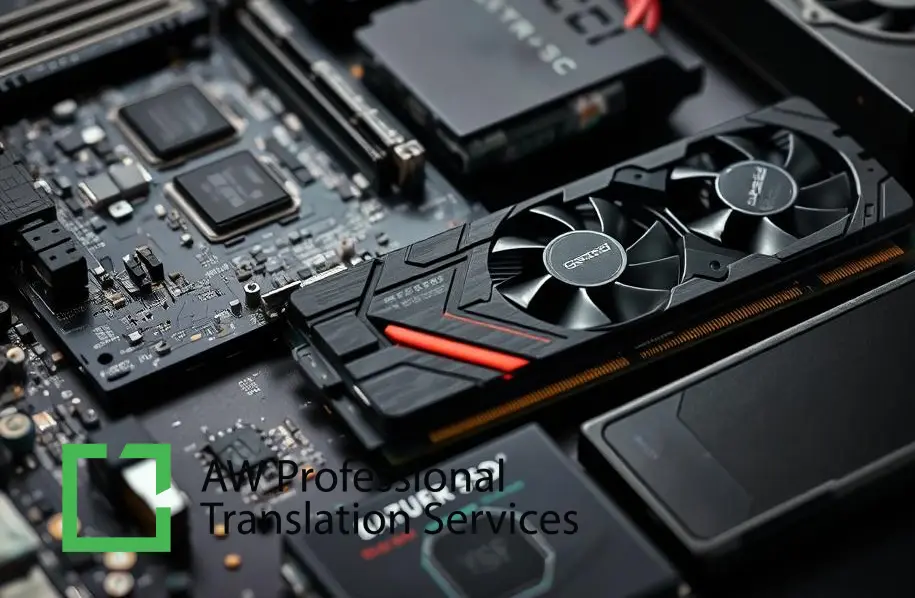
What Are Hardware Translation Services?Hardware Translation Services involve the professional translation of technical content related to physical products and devices. This includes translating highly specialized terminology, measurements, schematics, and safety information while maintaining accuracy and regulatory compliance.
Unlike general translation, hardware translation requires:

  • Technical subject-matter expertise

  • Terminology consistency

  • Precision in measurements and specifications

  • Compliance with international standards

At AW PTS, hardware translation is handled by experienced technical translators with industry-specific knowledge.

Learn about E-learning Localization

Why Hardware Translation Services Are Critical

Poorly translated hardware documentation can lead to:

  • Product misuse and safety risks

  • Regulatory non-compliance

  • Increased support costs

  • Brand credibility damage

Professional Hardware Translation Services help companies reduce risk, improve customer experience, and support successful international product launches.

 Learn about : Legal Interpretation in Court 

Types of Hardware Content Translated by AW PTS

contact us aw pts

AW PTS provides comprehensive hardware translation services covering all types of technical materials.

User Manuals and Instruction Guides

Clear, accurate manuals help users operate hardware safely and effectively.

Technical Specifications and Datasheets

Precise translation of measurements, materials, tolerances, and performance data is essential for engineers and buyers.

Installation and Maintenance Guides

Accurate instructions reduce installation errors and maintenance issues.

Safety Instructions and Warning Labels

Critical safety information must be translated flawlessly to meet international regulations.

Product Packaging and Labeling

Localized packaging ensures compliance and improves market acceptance.

Compliance and Regulatory Documentation

Hardware products often require translated documentation for certification and approval processes.

 Learn how we manage Quality assurance in localization

Industries That Rely on Hardware Translation Services

Industries That Rely on Hardware Translation ServicesAW PTS supports a wide range of industries, including:

  • Consumer electronics

  • Industrial machinery

  • Medical devices

  • Automotive hardware

  • Telecommunications equipment

  • Energy and manufacturing hardware

Each industry requires specialized terminology and regulatory awareness.

Hardware Translation Services in All Languages

AW PTS offers Hardware Translation Services in all major and regional languages, enabling businesses to reach global markets without communication barriers.

Our multilingual capabilities ensure consistency and accuracy across multiple markets, regardless of language complexity.

Quality Assurance in Hardware Translation

At AW PTS, every hardware translation project follows a strict quality process:

  • Translation by subject-matter experts

  • Terminology management and consistency checks

  • Technical review and proofreading

  • Final quality assurance before delivery

This ensures that translated hardware documentation meets both technical and linguistic standards.

Follow us on Linkedin for more info 

Why Choose AW PTS for Hardware Translation Services

AW PTS stands out as a trusted provider of Hardware Translation Services due to:

  • Specialized technical translators

  • Industry-specific expertise

  • Accuracy-driven workflows

  • Multilingual support in all languages

  • Secure handling of technical documentation

Hardware translation at AW PTS is treated as a precision service, not a generic task.

contact us aw pts

How AW PTS Supports Global Hardware Success

By partnering with AW PTS, companies benefit from:

  • Reduced product risks and errors

  • Faster international market entry

  • Improved customer satisfaction

  • Regulatory compliance across regions

  • Consistent technical communication worldwide

AW PTS ensures your hardware documentation communicates clearly, accurately, and professionally — everywhere.

FAQs

What are hardware translation services?

Hardware translation services involve translating technical documentation related to physical products such as manuals, specifications, safety instructions, and compliance documents. These services require technical expertise to ensure accuracy, clarity, and regulatory compliance.

Why is professional hardware translation important?

Professional hardware translation is essential to prevent product misuse, ensure user safety, meet international regulations, and protect brand credibility. Errors in technical translation can lead to legal issues, safety risks, and increased support costs.

What types of documents are included in hardware translation services?

Hardware translation typically includes user manuals, installation guides, technical datasheets, maintenance instructions, safety labels, packaging content, and regulatory or certification documentation.

Which industries need hardware translation services?

Industries that commonly require hardware translation include consumer electronics, industrial machinery, medical devices, automotive manufacturing, telecommunications, energy, and heavy equipment manufacturing.

How does AW PTS ensure accuracy in hardware translation?

AW PTS uses specialized technical translators, terminology management systems, subject-matter reviews, and multi-stage quality assurance processes to ensure accuracy, consistency, and compliance with international standards.

Does AW PTS provide hardware translation in multiple languages?

Yes. AW PTS offers hardware translation services in all major and regional languages, enabling companies to launch and support hardware products in global markets without language barriers.


High-quality Hardware Translation Services are essential for any company expanding hardware products internationally. Technical accuracy, clarity, and compliance are critical to product success and safety.

With comprehensive hardware translation services in all languages, AW PTS remains a reliable partner for organizations seeking precision, consistency, and global reach.

When hardware performance matters, translation accuracy matters just as much.