25Nov

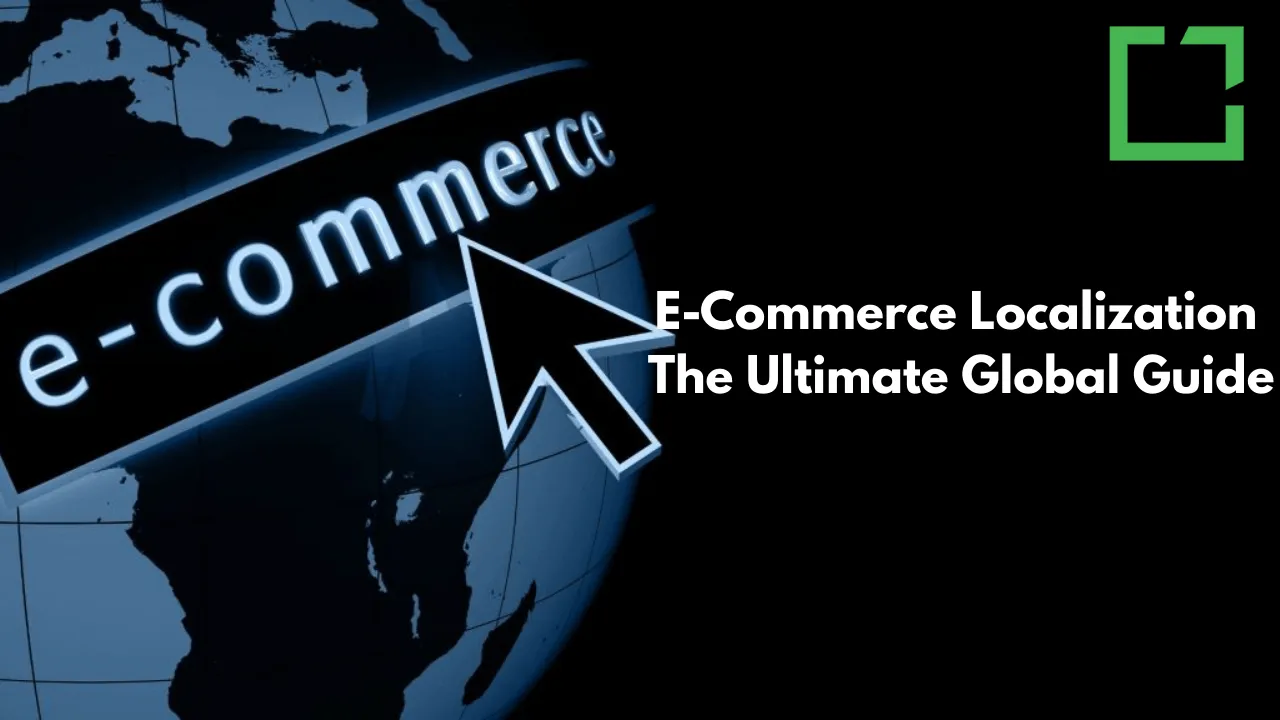
E-Commerce Localization: The Ultimate Guide to Scaling Global E-Commerce with AW PTS

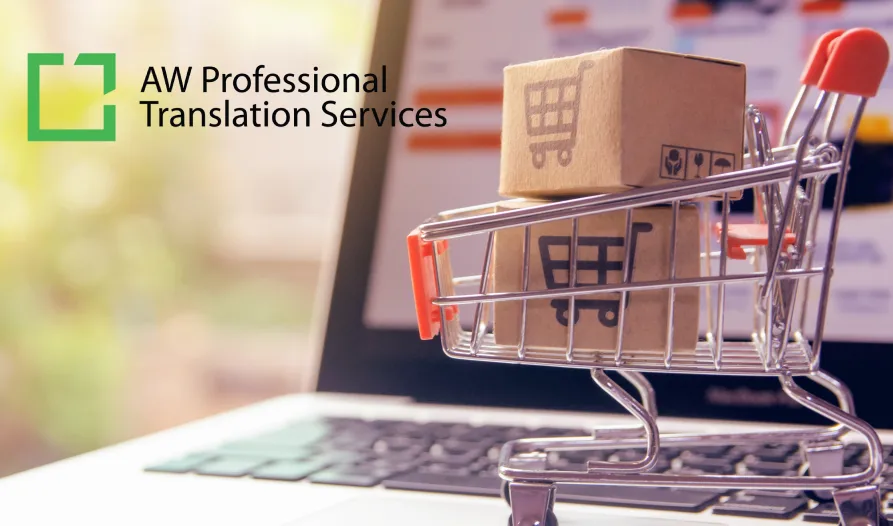
In the fast-paced world of digital retail, expanding beyond borders is no longer a luxury — it is a strategic necessity. However, entering international markets without proper localization can lead to confusion, poor user experience, and lost revenue. This is where E-commerce localization and translation becomes the backbone of successful global expansion.

With the rapid growth of global e-commerce, brands must adapt not just their language, but their entire shopping experience to meet cultural, linguistic, and behavioral expectations. AW PTS, a professional translation and localization services provider, helps e-commerce businesses bridge this gap with precision, strategy, and market intelligence.

What is E-Commerce Localization?

What is E-Commerce Localization?E-commerce localization is the process of adapting an online store to suit the cultural, linguistic, and functional expectations of a specific target market. It goes far beyond simple translation, encompassing currency formats, payment systems, product descriptions, user interface, and even marketing tone.

Through advanced e-commerce localization, AW PTS ensures that your online store feels native to every audience, increasing trust and driving conversions across global e-commerce platforms.

The Business Case for Localization in Global E-Commerce

The financial impact of proper localization is undeniable. Research consistently shows that customers prefer to shop on websites presented in their native language. In global e-commerce, localization directly influences purchasing decisions, customer loyalty, and brand credibility.

AW PTS helps businesses unlock new revenue streams by minimizing friction and maximizing relevance, making e-commerce localization a profitable investment rather than an operational expense.

Key business outcomes include:

  • Increased international sales
  • Higher conversion rates
  • Reduced cart abandonment
  • Stronger brand perception
  • Improved customer retention

Learn Data-driven localization strategy

What Are the Benefits of E-Commerce Localization?

Implementing professional e-commerce localization provides measurable competitive advantages in international markets. By adapting content and user experience, brands eliminate language barriers and enhance customer confidence.

Major benefits include:

  • Enhanced customer trust and engagement
  • Improved user experience flow
  • Greater market reach in global e-commerce
  • Stronger emotional connection with audiences
  • Consistent brand messaging across regions

AW PTS integrates linguistic accuracy with cultural intelligence to ensure every localized element aligns perfectly with market expectations.

contact us aw pts

Ecommerce Localization Best Practices

To achieve successful localization, businesses must follow structured best practices that align with both technical and cultural requirements.

Core practices include:

  • Using native professional translators
  • Adapting content culturally, not literally
  • Optimizing product descriptions for local SEO
  • Testing user interface functionality per region
  • Ensuring payment and regulatory compliance

AW PTS follows industry-leading frameworks to deliver scalable e-commerce localization solutions that ensure accuracy, performance, and consistency.

Learn more about translation and localization process

Product Catalog Translation

Product Catalog TranslationAccurate product catalog translation is one of the most critical components of e-commerce localization. Poor translations can misrepresent products, reduce credibility, and lead to customer dissatisfaction.

AW PTS ensures that product descriptions are optimized for both customers and search engines, supporting visibility across global e-commerce platforms while maintaining brand tone and clarity.

Elements localized include:

  • Product names and specifications
  • Descriptions and technical details
  • Categories and filters
  • Promotional content
  • Legal disclaimers

 Learn how we manage Quality assurance in localization

Payment and Shipping Localization

Payment and Shipping LocalizationFor global e-commerce success, localized payment and shipping systems are essential. Customers prefer familiar payment methods and transparent shipping policies that align with their region’s expectations.

AW PTS supports localization for:

  • Regional payment gateways
  • Local currency and tax formats
  • Shipping rules and delivery timelines
  • Return and refund policies
  • Checkout flow optimization

By aligning logistics with customer habits, e-commerce localization removes friction and builds trust at every touchpoint.

Customer Experience Optimization

A localized site must not only be understandable but also intuitive and seamless. Customer experience optimization ensures visitors feel comfortable navigating, browsing, and purchasing.

enhances customer journeys by:

  • Simplifying navigation and layout adaptation
  • Customizing UI/UX for regional behavior
  • Improving content flow and cultural relevance
  • Aligning tone with local communication preferences

This strategic approach strengthens relationships and boosts long-term loyalty in competitive global e-commerce environments.

SEO and Local Market Visibility in Online Marketplace

Search visibility is a cornerstone of e-commerce success. Without localized SEO, even the most refined store may struggle in international search engines.

AW PTS ensures e-commerce localization is optimized for:

  • Local keyword targeting
  • Regional search engine algorithms
  • Culturally relevant content strategies
  • Multilingual SEO structure
  • Local marketplace optimization

This guarantees higher visibility, organic traffic growth, and improved positioning across global e-commerce platforms.

Why Choose AW PTS for E-Commerce Localization?

AW PTS stands as a trusted partner in translation and localization services, delivering tailored strategies for scalable international growth.

Key advantages include:

  • Expertise in e-commerce localization
  • Industry-specialized linguists
  • Consistent multilingual workflow
  • SEO-driven localization strategies
  • Reliable delivery and support

Their comprehensive approach ensures that your brand scales globally with confidence and professionalism.

contact us aw pts

Frequently Asked Questions (FAQs)

What is e-commerce localization?

It is the process of adapting an online store to meet the language, cultural, and functional expectations of different markets.

How does localization impact global e-commerce growth?

It increases trust, improves engagement, and drives higher conversion rates across international markets.

Is e-commerce localization different from translation?

Yes, it includes cultural adaptation, UX optimization, and technical adjustments beyond just language conversion.

Can AW PTS localize large e-commerce platforms?

Yes, AW PTS handles scalable projects for businesses of all sizes.

How long does e-commerce localization take?

Timelines vary based on store size and complexity, but AW PTS ensures efficient delivery.

Does localization improve SEO performance?

Absolutely, localized SEO increases visibility and organic traffic in target markets.

How can I start a project with AW PTS?

You can contact AW PTS for a tailored consultation and personalized localization strategy.

Follow us on Linkedinfor more info 

Final Thoughts

In a competitive digital economy, e-commerce localization is the key to unlocking international success. By aligning your brand with cultural preferences and regional expectations, you create meaningful connections that drive sales and sustainability.

With AW PTS as your strategic partner, your e-commerce platform transforms into a globally optimized, customer-centric marketplace that thrives in the evolving world of global e-commerce translation.

21Nov

Voice-Over Localization: Complete Guide to Boosting Global Impact 

Audiences are up to three times more likely to trust a brand when its message is delivered in a familiar native accent and cultural tone rather than a neutral or generic voice.

In today’s hyper-connected digital landscape, content no longer competes locally, it competes globally. Brands operating across borders must ensure their message resonates with diverse audiences, cultures, and languages. This is where voice-over localization becomes a strategic powerhouse, especially in industries like advertising, e-learning, and multilingual gaming media services.

This complete guide explores how voice-over localization transforms ordinary content into culturally aligned experiences, while demonstrating how AW PTS, a leading localization and translation company, delivers high-end solutions that drive measurable marketing results.

By integrating voice-over localization with professional multilingual gaming media services, companies can enhance brand credibility, boost engagement, and increase conversion rates across global markets.

What is Voice-Over Localization?What is Voice-Over Localization?

Voice-over localization is the process of adapting spoken audio content to match the linguistic, cultural, and emotional nuances of a target audience. Unlike simple translation, it involves rewriting scripts, adjusting tone, selecting native voice talents, and synchronizing delivery to ensure authenticity and relevance.

At its core, voice-over localization ensures that a message feels natural, not foreign. In corporate finance, gaming, marketing, or entertainment sectors, poor localization can damage brand image, while precise adaptation strengthens trust and connection.

AW PTS approaches voice-over localization as a comprehensive strategy, not just a technical process. From linguistic accuracy to voice casting and audio engineering, every detail is optimized to ensure seamless audience engagement.

How Voice-Over Localization Works

The workflow of voice-over localization requires multiple structured stages to achieve professional-level results. At AW PTS, the process is designed for efficiency, accuracy, and emotional alignment.

Step-by-step process:

  • Script translation and cultural adaptation
  • Voice talent selection based on tone and brand identity
  • Audio recording in professional studios
  • Synchronization and timing adjustment
  • Quality assurance and final delivery

This methodology ensures each project reflects both linguistic precision and emotional intelligence. Whether it’s corporate presentations or multilingual gaming media services.

Learn more about translation and localization process

How to Achieve High-Quality Voice-Over Localization Results

Achieving superior voice-over localization requires more than technical audio skills. It demands a combination of strategic planning, cultural insight, and industry knowledge.

Key success factors include:

  • Native-speaking voice artists
  • Industry-specific terminology adaptation
  • Tone and pacing optimization
  • Cultural sensitivity checks
  • Contextual relevance

AW PTS integrates linguistic experts with audio engineers to ensure every localization project aligns with brand objectives and market expectations. This meticulous approach ensures that content not only translates words, but delivers impact.

contact us aw pts

Types of Voice-Over Services

Types of Voice-Over ServicesVoice-over localization covers a wide spectrum of services tailored to different industries and platforms. AW PTS offers specialized voice-over services for companies requiring multilingual gaming media services and corporate communication support.

Common types include:

  • Commercial and advertising voice-overs
  • E-learning and training modules
  • Gaming character voice acting
  • IVR and phone system recordings
  • Audiobook narrations
  • Documentary and corporate narration

Each voice-over service is handled with strategic intent, ensuring content remains emotionally resonant and culturally appropriate across all audiences.

Learn Modern English to Old English Translation and how it works!

Voice-Over Adaptation Techniques

Voice-over adaptation techniques play a crucial role in perfecting localized audio. It goes beyond language to focus on emotional delivery, linguistic synchronization, and cultural alignment.

Core techniques include:

  • Lip-sync and time-sync adaptation
  • Transcreation for emotional accuracy
  • Dialect selection and pronunciation tuning
  • Cultural tone mapping
  • Script reformatting for natural delivery

AW PTS applies industry-leading methodologies to enhance expressiveness and authenticity, ensuring voice-over localization strengthens brand storytelling rather than diluting it.

How Voice-Over Localization Can Enhance Your Marketing Efforts

Voice-over localization is not just a technical solution — it is a powerful marketing asset. Brands that invest in tailored voice localization experience improved customer retention, brand loyalty, and audience engagement.

Benefits include:

  • Stronger emotional connection with target audiences
  • Higher brand recall
  • Increased conversion rates
  • Improved user experience
  • Consistent global brand identity

By integrating voice-over localization into your marketing strategy, AW PTS helps transform global campaigns into regionally effective brand narratives.

 Learn how we manage Quality assurance in localization

Achieving Your Marketing Results with AW PTS

For companies seeking measurable return on investment, voice-over localization is a critical element of digital marketing success. AW PTS customizes voice-over solutions to align with brand objectives, audience demographics, and platform requirements.

Through advanced multilingual gaming media services, AW PTS enables brands to expand reach, reinforce credibility, and scale internationally with confidence.

Key marketing outcomes include:

  • Enhanced global visibility
  • Improved customer experience
  • Strengthened brand consistency
  • Higher audience engagement
  • Increased ROI

GET TO KNOW OTHER AW SERVICES!

Why Choose AW PTS for Voice-Over Localization?

AW PTS stands out as a premier voice-over localization and translation company with a proven track record across industries. Their integrated solutions combine linguistic precision with creative execution, making them the trusted choice for global businesses.

Competitive advantages:

  • Professional native voice talents
  • Industry-specific localization expertise
  • State-of-the-art recording technology
  • Scalable multilingual solutions
  • Fast turnaround times

By choosing AW PTS, businesses gain a strategic partner committed to enhancing communication and maximizing audience impact.

contact us aw pts

Frequently Asked Questions (FAQs)

What is the difference between voice-over localization and standard translation?

Voice-over localization focuses on adapting tone, emotion, and cultural relevance, while translation only converts words between languages.

Why is voice-over localization critical for international marketing?

It ensures your brand message feels natural and trustworthy to local audiences, increasing engagement and campaign effectiveness.

How do multilingual gaming media services support global game expansion?

They provide culturally accurate character voices and immersive storytelling for international players.

Are native speakers essential for high-quality voice-over localization?

Yes, native voice talents ensure authenticity and correct cultural expression.

Is voice-over localization cost-effective for businesses?

Yes, it delivers long-term ROI by expanding reach and improving brand credibility.

Can small businesses benefit from voice-over localization?

Absolutely, it enables them to compete globally with professional communication standards.

How can I start a project with AW PTS?

Simply contact AW PTS for a tailored consultation and scalable localization solution.

Follow us on Linkedin for more info 

Final Thoughts

Voice-over localization is no longer optional in global marketing — it is essential. From enhancing emotional engagement to reinforcing brand identity, it serves as a strategic bridge between businesses and their international audiences.

By leveraging voice-over localization alongside multilingual gaming media services, companies can deliver compelling, culturally aligned messages that convert and inspire.

AW PTS remains your trusted partner in voice localization excellence, ensuring your brand speaks clearly, confidently, and effectively across every market.

31Aug

Localization for Virtual Reality: Adapting Content for Immersive Tech

If you’ve ever slipped on a VR headset and found yourself standing in the middle of a bustling Tokyo street or a medieval castle, you’ve already felt the power of virtual reality. But here’s a question: what makes those experiences feel real and meaningful, especially when you’re from a completely different part of the world?

The answer is localization. Localization for Virtual Reality!

And no, we’re not just talking about translating a few menu buttons. Localization for Virtual Reality is a whole different ballgame. It means adapting the entire virtual experience, visuals, sounds, controls, and interactions to fit different languages, cultures, and expectations. In VR, you’re not just reading or listening. You’re living the experience. So if the localization feels off, the whole illusion breaks.

Let’s dive into what makes VR localization so unique in 2025, and explore some of the emerging trends shaping this fascinating space.

contact us aw pts

Why Localization for Virtual Reality Is So Different

In a traditional app or website, localization might involve translating text, maybe tweaking some images, and adjusting the layout for different languages. But in VR, users are immersed in a fully 3D environment. Everything they see, hear, and touch has to feel natural and familiar, otherwise, it creates a disconnect.

Imagine walking through a VR version of a French bakery, but all the signs are in English, the staff speaks with a robotic American accent, and the pastries look more like bagels. You’d feel like something is off, even if you can’t put your finger on it. That’s the challenge VR developers face, getting every detail just right for every market.


Spatial Audio: Hearing It the Way Locals Do

One of the coolest parts of VR is how it uses spatial audio. Instead of just playing background music or flat sound effects, spatial audio simulates how sound moves around you. It makes you feel like someone’s actually whispering in your ear or walking past you from behind.

But here’s where localization comes in. Different cultures react to sound differently. The rhythm of speech, the tone of a voice, even the distance someone stands from you when they talk, these are all culturally influenced. Localizing spatial audio means more than translating dialogue, it means re-recording it with native speakers, adjusting volume and direction based on local preferences, and even changing ambient sounds to make the environment feel “right.”

For example, a forest in Japan might sound completely different from a forest in Brazil, not just in the types of birds you hear, but in the emotional tone the environment conveys.

localize and Translate Your game NOW!


UI That Speaks Your Language, and Your Culture

User interfaces in VR are nothing like those on a phone or computer. You don’t tap a screen, you point, move, gesture, or even speak. That makes localization more complex but also more powerful.

Text still matters, of course, and it needs to be translated clearly and concisely. But what about symbols and icons? What about colors and shapes? A thumbs-up gesture might be friendly in one culture and offensive in another. A red circle could mean “record” in one place and “danger” in another.

That’s why UI localization in VR isn’t just about language, it’s about adapting the experience to match how people interact with the world around them. You have to think like a local, not just speak like one.


Real-Time Speech Translation: Bridging Language Gaps on the Spot

One of the most exciting developments in Localization for Virtual Reality is real-time speech translation. Thanks to AI, it’s now possible for people speaking different languages to talk to each other in a virtual environment, and have their words translated instantly.

Think about what that means. You could attend a global virtual conference, collaborate with teammates across the world in a shared VR workspace, or even play a multiplayer game with friends from five different countries, without needing to speak the same language.
Of course, this kind of translation still has its hiccups. Humor, sarcasm, or slang can get lost. But the technology is getting better every day, and it’s opening doors for cross-cultural experiences that wouldn’t have been possible before.

Follow us on Linkedin for more info 

 

Culturally Adaptive Content: More Than Just Words

Here’s the thing, people don’t just speak different languages. They live in different realities. They value different things, have different social norms, and relate to the world in different ways. Good VR localization recognizes this and adapts the content accordingly.

That might mean changing a character’s clothing to reflect local styles, swapping out food items in a virtual kitchen, or even rewriting dialogue to reflect cultural norms. A joke that lands in New York might fall flat in Tokyo. A teaching method that works in Berlin might confuse someone in Cairo.

By tweaking these elements, developers can make the experience feel personal, like it was built just for that audience. And when you’re inside a VR world, that sense of personal connection makes all the difference.

Learn How to Localize Software and Apps Here!


AI That Learns What Works, and What Doesn’t

AI is playing a bigger role in Localization for Virtual Reality than ever before. It’s not just helping with translation, it’s learning from users. When people pause in a certain place, skip over dialogue, or react positively to a feature, AI takes note.

That feedback can be used to fine-tune the experience for different audiences. Maybe a voiceover needs more energy in one language. Maybe a menu needs simpler icons for a certain age group. Over time, the system learns and improves, delivering more personalized and effective content.

It’s like having a localization team working in the background, constantly observing, adjusting, and optimizing the experience for each user.

The Human Touch Still Matters

Now, with all this amazing tech, you might think we’re heading toward a fully automated future where AI handles all localization. But here’s the truth: machines can’t replace human insight.

You still need real people, cultural experts, native speakers, and creative writers, to shape the story, guide the tone, and catch the things AI will miss. The best VR experiences come from a blend of both worlds: smart technology powered by human understanding.

Learn what is Localization for Gaming?

FAQs for Localization for Virtual Reality

-How does Localization for Virtual Reality handle audio?

Localized spatial audio recreates realistic soundscapes with native accents and cultural sound cues for deeper immersion.

-Can Localization for Virtual Reality include real-time translation?

Yes, real-time speech translation lets users from different countries communicate naturally inside virtual worlds.

-Why do humans still matter in Localization for Virtual Reality?

Native experts add emotional and cultural depth that automation can’t, ensuring every experience feels truly authentic.

-What role does AI play in Localization for Virtual Reality?

AI enhances VR localization by automating translations, analyzing user reactions, and optimizing experiences for each market.

Wrapping Up

Localization for virtual reality isn’t just about translating words; it’s about crafting an immersive, inclusive experience that feels right, no matter where you’re from. As VR technology evolves, so do the expectations of global users. They want to be seen, heard, and understood, not just in language, but in culture.

By paying attention to spatial audio, culturally adaptive UI, real-time speech translation, and personalized AI, companies can create VR worlds that speak to everyone. And when done right, that’s when virtual reality truly becomes a shared reality.

contact us aw pts

29Aug

If You’ve Ever Needed a Legal Translation in Europe, You’ve Likely Heard of This Term (Sworn)

If you’re from countries like France, Germany, Spain, or Italy, the chances of coming across the term sworn translation, and even needing one, are pretty high.

But what exactly is sworn translation? And why does it carry more legal weight than a standard translation?

What Is Sworn Translation?

A sworn translation is an official translation carried out by a translator who is authorized by a government or legal institution. These translations are commonly required for documents such as birth certificates, diplomas, legal contracts, or any paperwork that must be legally recognized in another language. The sworn translator confirms the translation’s accuracy by stamping, signing, and sometimes declaring it as a faithful rendering of the original document.

How Does a Translator Become a Sworn Translator?

Becoming a sworn translator is not just about being fluent in multiple languages, it also involves official credentials and responsibilities. While the specifics differ from country to country, here’s a general overview of the process:

  1. Passing Official Exams
    Translators must often pass specialized exams in legal or linguistic fields to prove their expertise, particularly in legal terminology.
  2. Taking an Oath
    Successful candidates take an official oath before a government body or court, pledging to deliver accurate and impartial translations. This is where the term sworn translator
  3. Registration with Authorities
    Once sworn in, translators are listed in official registries maintained by ministries or courts, giving them legal authority to produce valid sworn translations.
  4. Using a Signature and Stamp
    Every sworn translation includes the translator’s signature, official stamp, and sometimes a declaration of accuracy, making it legally binding.

Industries and Document Types That Rely on Sworn Translation

Legal Industry

  • Court rulings: Legal decisions made by a court, essential for legal appeals or to gain international recognition.
  • Contracts and agreements: Legally binding documents that define business or legal relationships, needing precise translation for cross-border matters.
  • Affidavits: Sworn written statements used as evidence in legal proceedings that require a certified translation for validity.
  • Power of attorney: A legal document authorizing someone to act on another’s behalf, often necessary for international transactions.
  • Wills and testaments: Legal declarations outlining an individual’s final wishes, especially important in inheritance matters across borders.
  • Legal certificates: Civil records like birth, marriage, or divorce certificates that need to be recognized abroad for legal purposes.

Education & Academia

  • Diplomas and degrees: Proof of education that is required for international job applications, visa processes, or further study.
  • Transcripts: Official records of academic performance that may be needed for university admissions or credit transfer between institutions.
  • Letters of recommendation: Letters supporting an individual’s application for jobs or academic programs, often requiring official translation.
  • Academic certificates: Additional educational credentials like awards or language proficiency certifications that need formal translation.
  • Enrollment records: Documentation of enrollment in a school or university, often used in visa applications or for academic credit transfer.

Immigration & Government

  • Birth, marriage, and divorce certificates: Essential civil documents needed for visa applications, family reunification, or nationality claims.
  • Police clearance certificates: Proof of a clean criminal record required for residency or employment permits.
  • Passports and ID cards: Official identification documents that may need translation for immigration or legal proceedings abroad.
  • Residency permits: Legal documentation proving a person’s right to reside in a particular country, often required for renewals or international applications.
  • Asylum or visa applications: Supporting documents that prove an applicant’s identity, family relationships, or background during immigration processes.

Corporate & Business

  • Articles of incorporation: Documents that establish a company as a legal entity, typically needed for international business dealings.
  • Business registration documents: Proof that a company is officially registered with the relevant governmental authorities, essential for global operations.
  • Commercial contracts: Business agreements between companies that require translation for cross-border trade, partnerships, or services.
  • Financial statements: Documents showing a company’s financial health, needed for audits, tax purposes, or investment evaluations.
  • Shareholder agreements: Legal documents that define the rights and responsibilities of a company’s shareholders, often requiring legal validation in another language.

Medical & Healthcare

  • Medical reports: Summaries of diagnoses, treatments, or health status, often required for international second opinions or insurance claims.
  • Vaccination records: Proof of immunization necessary for international travel, education, or immigration processes.
  • Clinical trial documents: Regulatory documents related to clinical trials that need to be submitted to international health authorities.
  • Insurance claims: Documents used to request reimbursement for medical services, often involving international health insurance.
  • Disability assessments: Reports verifying physical or mental disabilities, needed for legal or support services, often in international contexts.

Banking & Finance

  • Bank statements: Proof of financial status needed for visa applications, loan approvals, or financial disclosures in cross-border dealings.
  • Loan agreements: Legal contracts between borrowers and lenders, often required for international investments or financial operations.
  • Audit reports: Official financial reviews conducted by auditors, often needed for compliance or reporting to international stakeholders.
  • Tax documents: Income or payment records that must be translated for tax purposes, particularly when operating in multiple countries.
  • Financial disclosures: Statements of assets and liabilities, often needed for compliance or legal cases, particularly in an international context.

Travel & Tourism (Visas & Residency)

  • Travel history documentation: Records of past international travel, often required in visa applications for certain countries.
  • Proof of accommodation: Hotel reservations or rental agreements that demonstrate where you’ll stay while abroad, typically needed for visas.
  • Sponsorship letters: Letters showing that someone will financially support the applicant during their travel or stay in another country.
  • Insurance documents: Proof of health or travel insurance coverage, often a requirement for visa applications or residency permits.

Real Estate & Property

  • Deeds and titles: Documents proving legal ownership of property, particularly needed in international real estate transactions.
  • Lease agreements: Contracts outlining rental terms for residential or commercial properties, often requiring legal translation.
  • Sale-purchase contracts: Agreements made for buying or selling real estate, requiring official translations for cross-border transactions.
  • Land registration papers: Legal documents recording property ownership in government land registries, important for international real estate dealings.

Sworn vs. Notarized Translation: What’s the Difference?

Feature Sworn Translation Notarized Translation
Authority Behind the Certification Certified by a translator authorized by a court or government Certified by a notary public who verifies the identity of the translator
Who Can Provide It Only translators registered as sworn or official Any translator, with certification provided by a notary
Legal Weight Legally valid in countries where sworn translations are recognized May require additional legalization to be accepted
Common Usage Popular in Europe and Latin America Common in the U.S., Canada, and parts of Asia
Process Translator signs, stamps, and certifies the translation directly Translator signs an affidavit, and a notary verifies the signature
Accepted By Courts, embassies, universities, and government offices Immigration authorities, schools, or businesses, depending on the country
Translation Quality Check Translator is legally responsible for accuracy Notary does not check translation quality—only verifies signature

Final Thought

Sworn translation plays a crucial role in legal, academic, governmental, and corporate sectors across many countries. Whether you’re applying for a visa, enrolling in a university abroad, or conducting international business, a sworn translation ensures your documents meet official legal standards.

Understanding when and why sworn translation is needed can save you time, money, and complications down the line. If your documents must be recognized by foreign authorities, don’t take chances,work with a sworn translator who can guarantee accuracy, credibility, and legal validity.