 AW HOLDING
 Tel: +971 24912220
 sales@awprotranslations.com


[vc_row][vc_column][vc_custom_heading source=”post_title” font_container=”tag:h1|text_align:left”][vc_column_text]
Understanding the types of interpretation in communication is essential for organizations operating in multilingual and multicultural environments. Interpretation plays a vital role in ensuring clear, accurate, and real-time communication across languages, especially in business, legal, medical, and diplomatic settings.
This guide explores the main types of interpretation in communication, when each type is used, and how professional interpretation services from AW PTS ensure accuracy and effectiveness.
What Is Interpretation in Communication?
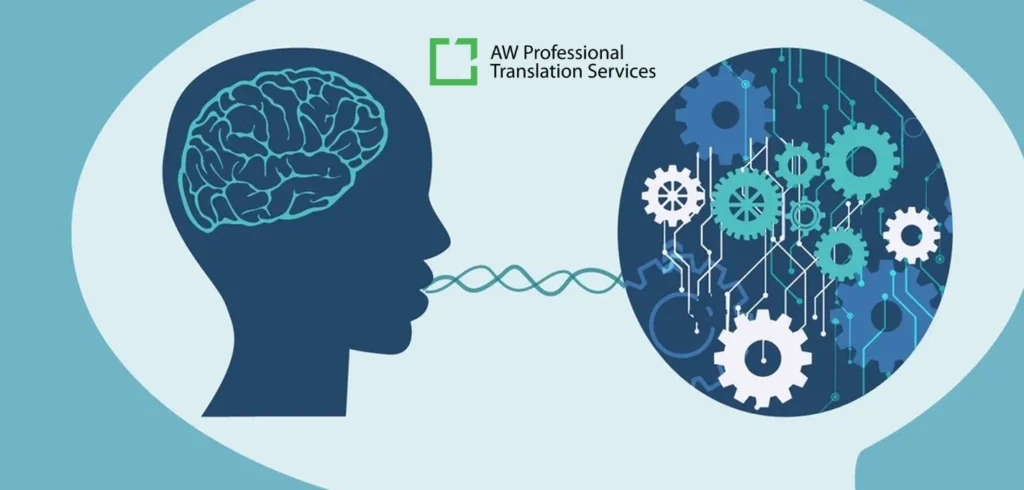
 Interpretation in communication is the real-time conversion of spoken or signed language from one language into another. Unlike translation, which deals with written text, interpretation focuses on spoken interaction and requires immediate linguistic and cultural accuracy.
Effective interpretation ensures:
-
Clear understanding between parties
-
Cultural sensitivity
-
Accurate message delivery
-
Smooth communication flow
Learn : Why you should hire a court interpreter
Main Types of Interpretation in Communication
1. Simultaneous Interpretation
Simultaneous interpretation is one of the most widely used types of interpretation in communication, especially in large events.
The interpreter listens and speaks at the same time, usually through headsets and soundproof booths.
Common use cases:
-
International conferences
-
Global summits
-
Multilingual meetings
This type requires highly trained interpreters with exceptional concentration and subject-matter expertise.
2. Consecutive Interpretation
In consecutive interpretation, the speaker pauses to allow the interpreter to deliver the message.
It is commonly used in:
-
Business meetings
-
Legal interviews
-
Medical consultations
-
Training sessions
Among the types of interpretation in communication, this method allows for high accuracy and personal interaction.
3. Whispered Interpretation (Chuchotage)
Whispered interpretation involves the interpreter quietly translating to one or two listeners.
Typical scenarios include:
-
Courtrooms
-
Small meetings
-
Diplomatic visits
It is a discreet form of interpretation used when only a few participants need assistance.
4. Liaison Interpretation
Liaison interpretation supports two-way communication between parties in small group settings.
It is often used for:
-
Business negotiations
-
Site visits
-
Diplomatic meetings
This is one of the most flexible types of interpretation in communication, allowing natural dialogue.
5. Legal Interpretation
Legal interpretation focuses on accuracy and compliance in legal contexts.
It is essential for:
-
Court proceedings
-
Depositions
-
Arbitration
-
Law firm consultations
Legal interpretation requires interpreters with specialized legal knowledge.
6. Medical Interpretation
Medical interpretation ensures clear communication between healthcare providers and patients.
Common settings include:
-
Hospitals and clinics
-
Medical consultations
-
Emergency care
Accuracy is critical, as errors can affect patient safety.
7. Remote Interpretation
Remote interpretation uses technology to deliver interpretation services without physical presence.
It includes:
-
Telephone interpretation
-
Video remote interpretation
This type has become increasingly popular due to global business operations and digital communication.
Choosing the Right Type of Interpretation
 Selecting the right option from the types of interpretation in communication depends on:
-
Setting and audience size
-
Subject matter complexity
-
Level of formality
-
Technical requirements
Professional guidance ensures the best fit for each scenario.
Common Challenges in Interpretation
Without professional support, interpretation may suffer from:
-
Miscommunication
-
Cultural misunderstandings
-
Inaccurate terminology
-
Disrupted communication flow
These risks highlight the importance of expert interpreters.
Why Professional Interpretation Matters
Interpretation is not just about language—it’s about meaning, intent, and context.
Professional interpreters ensure:
-
Consistent messaging
-
Cultural awareness
-
Confidentiality
-
Accuracy under pressure
This is especially important in high-stakes environments.
Why Choose AW PTS for Interpretation Services?
AW PTS delivers expert interpretation solutions across all major types of interpretation in communication.
With AW PTS, you benefit from:
-
Certified and experienced interpreters
-
Industry-specific expertise
-
On-site and remote interpretation options
-
Strict confidentiality standards
-
Reliable and scalable solutions
AW PTS ensures every conversation is understood clearly and accurately.
Industries That Rely on Interpretation Services
Interpretation plays a key role in:
-
Legal and judicial systems
-
International events and conferences
Each sector requires precision and professionalism.
FAQs
What are the main types of interpretation in communication?
The main types of interpretation in communication include simultaneous interpretation, consecutive interpretation, whispered interpretation (chuchotage), liaison interpretation, legal interpretation, medical interpretation, and remote interpretation.
What is the difference between interpretation and translation?
Interpretation deals with spoken or signed language in real time, while translation focuses on written text. Interpretation requires immediate accuracy, cultural awareness, and strong listening and speaking skills.
When is simultaneous interpretation used?
Simultaneous interpretation is commonly used in conferences, international summits, and large multilingual events where real-time communication is required without interrupting the speaker.
What situations require consecutive interpretation?
Consecutive interpretation is ideal for business meetings, legal interviews, medical consultations, and training sessions where the speaker pauses to allow interpretation.
Final Thoughts
Understanding the types of interpretation in communication helps organizations communicate effectively in today’s global environment. Choosing the right interpretation method and professional partner can make the difference between success and misunderstanding.
With AW PTS, businesses and institutions gain access to trusted interpretation expertise that ensures clarity, accuracy, and confidence in every interaction.
Follow us on Linkedin for more info